
Reducing food waste at home is a simple yet impactful way to save money, conserve resources, and protect the environment. Millions of tons of food are wasted each year globally, and households contribute a significant portion. Fortunately, with a few mindful habits and practical strategies, you can make a big difference right in your kitchen.
Why Reducing Food Waste Matters
Before diving into the tips, it’s helpful to understand why food waste is an issue worth addressing:
– Environmental Impact: Wasted food generates unnecessary greenhouse gas emissions during production, transportation, and disposal.
– Resource Conservation: Growing food requires water, energy, and labor, so wasting food means wasting these valuable resources.
– Financial Savings: Buying less and using food more efficiently leads to lower grocery bills.
– Ethical Considerations: Reducing waste helps ensure food reaches those in need rather than being discarded.
With this in mind, let’s explore practical ways you can reduce food waste in your own home.
Plan Your Meals and Shop Smartly
One of the main causes of food waste at home is buying more than what you need or can consume.
Make a Meal Plan
– Plan your meals for the week ahead based on your schedule and appetite.
– Include breakfast, lunch, dinner, and snacks.
– Check your pantry and fridge beforehand to avoid buying duplicates.
Create a Shopping List
– Write down only the ingredients needed for your planned meals.
– Stick to the list when shopping to avoid impulse buys.
– Buy loose produce when possible to get the exact amount needed.
Shop More Frequently and in Smaller Quantities
– Instead of bulk shopping that may lead to spoilage, shop more often for fresh items.
– This helps avoid buying more than you can consume before food spoils.
Store Food Properly to Extend Freshness
How you store food can significantly impact how long it stays fresh.
Use Airtight Containers
– Store leftovers and opened packages in airtight containers to keep out air and moisture.
– Use clear containers so you can easily see what’s inside.
Understand Produce Storage Needs
– Some fruits and vegetables last longer in the fridge (e.g. berries, carrots), while others do better on the counter (e.g. tomatoes, bananas).
– Keep ethylene-producing items like apples away from ethylene-sensitive produce like leafy greens.
Label and Date Leftovers
– This helps you use older items first and avoid forgetting them at the back of the fridge.
Embrace Leftovers Creatively
Leftovers don’t have to be boring or wasted.
Repurpose Leftovers
– Transform roast chicken into salads, sandwiches, or soups.
– Use cooked vegetables in omelets or stir-fries.
Use Freezing to Your Advantage
– Freeze excess portions of meals or ingredients before they spoil.
– Portion meals before freezing for easy future use.
Manage Portions and Serve Mindfully
Serving large amounts of food can lead to uneaten leftovers that spoil.
Serve Smaller Portions
– Start with smaller servings and offer seconds if still hungry.
– This reduces uneaten food left on plates.
Encourage Family Participation
– Let family members serve themselves or choose portion sizes.
– This fosters awareness of their own hunger and reduces waste.
Practice Composting
Even with the best efforts, some food scraps are inevitable.
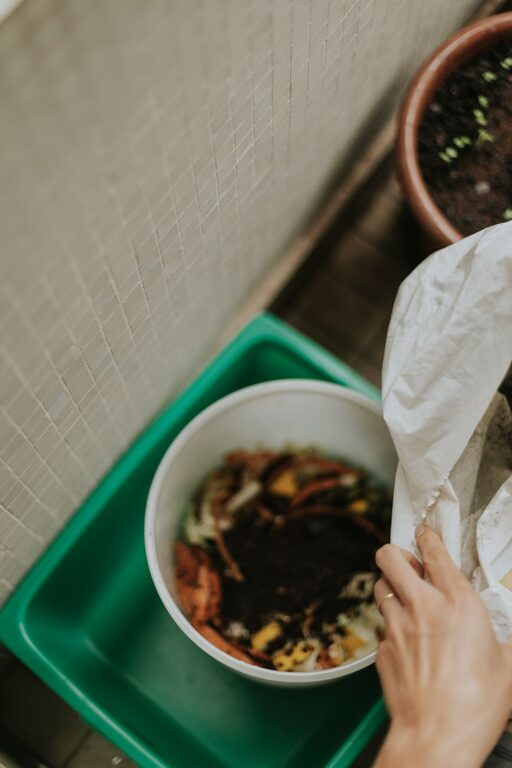
Start a Compost Bin
– Collect fruit and vegetable peels, coffee grounds, egg shells, and other compostable scraps.
– Composting turns food waste into nutrient-rich soil for your garden.
Check Local Regulations
– Some communities offer green waste bins or compost pickup services you can join.
Additional Tips to Reduce Waste
– Use “Ugly” Produce: Don’t discard misshapen or blemished fruits and vegetables; they are perfectly good to eat.
– Understand Date Labels: “Best by” and “sell by” dates do not always indicate spoilage. Use your senses to check freshness.
– Donate Excess Food: If you have surplus unopened food, consider donating to local food banks or shelters.
Final Thoughts
Reducing food waste at home may feel like a small step, but it adds up over time to create meaningful environmental and economic benefits. By planning meals, storing food properly, enjoying leftovers, and composting scraps, you can make a positive impact while enjoying fresh, tasty meals.
Start implementing one or two changes today and gradually build new habits that help both your household budget and the planet. Every effort counts!