
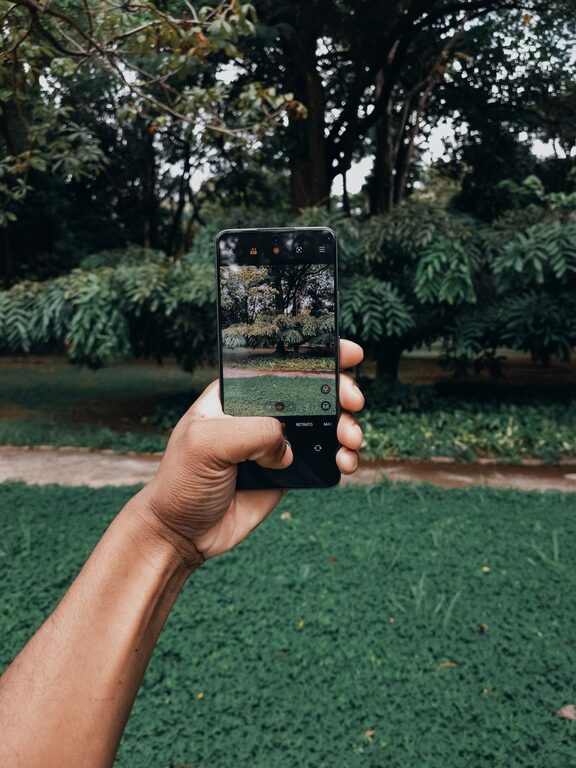
Taking photos with your phone is convenient and fun, but getting great shots requires more than just pointing and clicking. Whether you’re new to phone photography or want to improve your skills, these beginner tips will help you take better photos and make the most of your smartphone’s camera.
Understand Your Phone Camera Basics
Before diving into techniques, it’s important to know what your phone camera can do.
– Explore your camera app: Most smartphones have multiple modes such as photo, portrait, panorama, and video. Spend some time experimenting with these.
– Understand resolution and settings: Higher resolution means sharper images, but also larger files. Check your settings to ensure you’re shooting in the best quality.
– Use gridlines: Turn on the grid feature to apply the rule of thirds, a helpful guideline for composing balanced photos.
Clean Your Lens Regularly
Phones are frequently handled, so the lens can easily get smudged or dirty. A dirty lens will result in blurry or foggy photos.
– Use a soft microfiber cloth to gently clean the lens.
– Avoid using your fingers to wipe the lens.
– Carry a small lens cleaning wipe if you plan to take photos outdoors.
Focus and Exposure: Get the Basics Right
Most smartphone cameras autofocus automatically, but you can take control to improve your shots.
– Tap to focus: Tap on your subject on the screen to make sure your camera focuses correctly.
– Adjust exposure: After focusing, many phones allow you to slide your finger up or down to brighten or darken the image.
– Lock focus and exposure: If available, use the AE/AF lock feature to keep consistent focus and exposure, especially useful when taking multiple shots.
Use Natural Light Whenever Possible
Lighting plays a crucial role in photography.
– Shoot in natural light: Photos taken outdoors or near windows look more vibrant and detailed.
– Avoid harsh midday sun: Midday sun can create harsh shadows and blown-out highlights. Early morning or late afternoon (golden hour) generally offers softer, warmer light.
– Use shade: If shooting in direct sunlight is unavoidable, move your subject into shaded areas for even lighting.
– Avoid using flash: The built-in phone flash can be harsh and unnatural. Try to rely on available light or add additional light sources.
Compose Your Shots Thoughtfully
Composition helps make photos more interesting and visually pleasing.
– Use the rule of thirds: Imagine your photo divided into nine equal parts by two vertical and two horizontal lines. Place key elements along these lines or their intersections.
– Simplify the scene: Remove distractions from the background to highlight your subject.
– Experiment with angles: Don’t just shoot from eye level. Try shooting from high above, low down, or at an angle to add interest.
– Fill the frame: Get closer to your subject or zoom in to reduce empty space.
Keep Your Phone Steady
Blurry photos often come from camera shake.
– Hold your phone with both hands: This provides better stability.
– Lean on a stable surface: Use walls, tables, or other supports to steady your phone.
– Use a tripod or phone stand: Affordable phone tripods can significantly improve sharpness, especially in low light.
– Use the timer or remote shutter: Pressing the shutter button can cause movement; using a timer or remote control keeps the phone steady.
Experiment with Editing Apps
Post-processing can enhance your photos, even simple adjustments.
– Use free apps: Apps like Snapseed, VSCO, and Lightroom Mobile offer easy-to-use editing tools.
– Adjust brightness, contrast, and saturation: Small tweaks can make your photo pop.
– Crop and straighten: Improve composition by cropping out distractions or leveling tilted horizons.
– Avoid over-editing: Keep your edits natural-looking to maintain the photo’s authenticity.
Practice Regularly and Review Your Work
The best way to improve is by practicing and analyzing your photos.
– Take photos every day or whenever you have a chance.
– Review your shots and identify what works and what doesn’t.
– Try recreating photos you like from online tutorials or photographers you admire.
– Join photography communities or social media groups to get feedback and inspiration.
Know Your Limits and Have Fun
Not every photo will be perfect, and that’s okay!
– Enjoy the process of experimenting with your phone camera.
– Don’t stress about having the latest phone; creativity matters more than specs.
– Use your photos to capture memories, stories, and moments from your perspective.
—
By following these beginner tips, you’ll start to see improvement in your phone photography skills. Remember, great photos come from a good eye, patience, and practice. Happy shooting!