
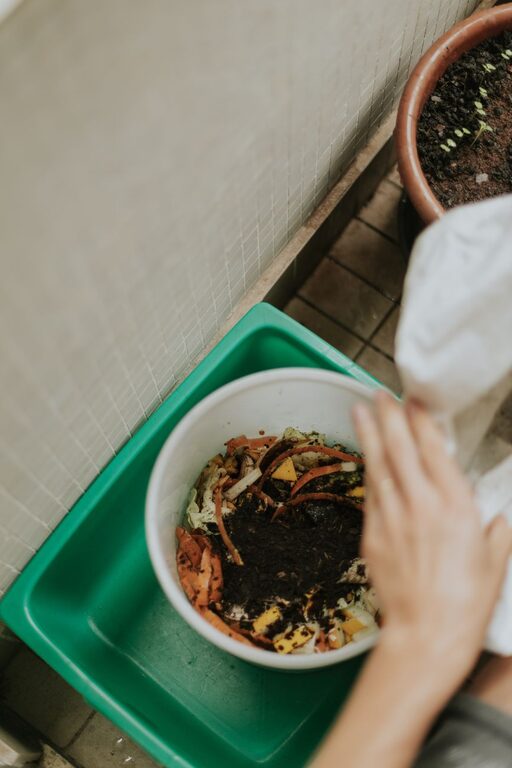
Composting at home is a fantastic way to reduce waste and create nutrient-rich soil for your garden. If you’re new to composting, the process might seem a bit overwhelming, but with a few basic tips, you can get started quickly and easily. This guide will walk you through the essentials of home composting, helping you turn your kitchen and yard waste into valuable compost that benefits your plants and the environment.
What Is Composting?
Composting is the natural process of recycling organic materials like food scraps, leaves, and grass clippings into a dark, crumbly soil amendment called compost. This compost enriches soil, helps retain moisture, and reduces the need for chemical fertilizers.
Why Start Composting at Home?
– Reduces landfill waste: Composting keeps organic waste out of landfills where it produces methane, a potent greenhouse gas.
– Improves soil health: Compost adds nutrients and beneficial microbes to your soil.
– Saves money: Healthy soil means healthier plants, reducing the need for extra fertilizers.
– Supports sustainability: Composting is a simple way to contribute to a healthier planet.
Getting Started: Choose Your Composting Method
There are several ways to compost at home. Choose the one that fits your space and lifestyle.
1. Compost Bin or Tumbler
A compost bin keeps your materials contained and helps maintain heat for faster decomposition. Tumblers are bins on a stand that you can rotate, mixing the compost easily.
2. Compost Pile
If you have ample yard space, you can create an open compost pile. This method is free but requires turning the pile manually to aerate it.
3. Vermicomposting (Worm Composting)
Ideal for small spaces, vermicomposting uses red worms to break down food scraps quickly inside a bin. It works well indoors or on a balcony.
What to Compost: The Basics of “Greens” and “Browns”
Successful composting depends on balancing two types of materials:
– Greens: Nitrogen-rich materials such as fruit and vegetable scraps, coffee grounds, grass clippings, and fresh garden waste.
– Browns: Carbon-rich materials like dry leaves, straw, shredded newspaper, cardboard, and wood chips.
Aim for about a 2:1 ratio of browns to greens. Too many greens can make the pile smelly, while too many browns slow down decomposition.
What Not to Compost
Avoid adding the following items to your compost:
– Meat, fish, and dairy products (attract pests and smell bad)
– Fats, oils, and grease
– Pet waste (can carry harmful pathogens)
– Diseased plants or invasive weeds
– Treated wood or synthetic materials
Step-by-Step Guide to Home Composting
Step 1: Choose a Location
Pick a dry, shady spot near a water source for your compost bin or pile. This makes it easy to add materials and maintain moisture.
Step 2: Start with Browns
Place a layer of coarse browns like twigs or straw at the bottom to help airflow.
Step 3: Add Food Scraps and Yard Waste
Alternate layers of greens and browns, chopping larger items to speed up decomposition.
Step 4: Maintain Moisture
Your compost should be as damp as a wrung-out sponge. Add water if it feels dry, or turn it to dry it out if too wet.
Step 5: Turn the Pile Regularly
Mixing your compost every 1-2 weeks adds oxygen, which helps microbes break down the materials faster.
Step 6: Be Patient
Composting can take a few months to a year depending on conditions, but you’ll notice earthy-smelling, dark compost forming over time.
Troubleshooting Common Compost Problems
– Smelly compost: Too many greens or wet materials. Add more browns and turn more often.
– Pile too dry: Add water and more greens.
– Pile not heating up: Add nitrogen-rich greens and turn the pile to introduce air.
– Pests: Avoid adding meat or oily foods; use a closed bin or add a cover layer of leaves.
Using Your Finished Compost
When your compost is dark, crumbly, and smells like fresh earth, it’s ready to use. Here are some ways to use it:
– Mix into garden soil to improve texture and fertility.
– Use as mulch around plants to retain moisture.
– Add to potted plants as a nutrient boost.
– Prepare seed-starting mixes for healthy seedlings.
Final Tips for Beginner Composters
– Start small: Begin with a small bin or pile, and increase as you get comfortable.
– Keep a compost bucket in your kitchen for easy collection of scraps.
– Avoid adding large amounts of citrus or onion peel to prevent acidity.
– Educate your family about what can and cannot go in the compost.
Composting at home is a rewarding and environmentally friendly habit that anyone can learn. With patience and a little care, you’ll soon be turning everyday waste into “black gold” for your garden!
—
Ready to start composting? Gather your materials, choose your method, and enjoy the benefits of healthier plants and a greener planet. Happy composting!